
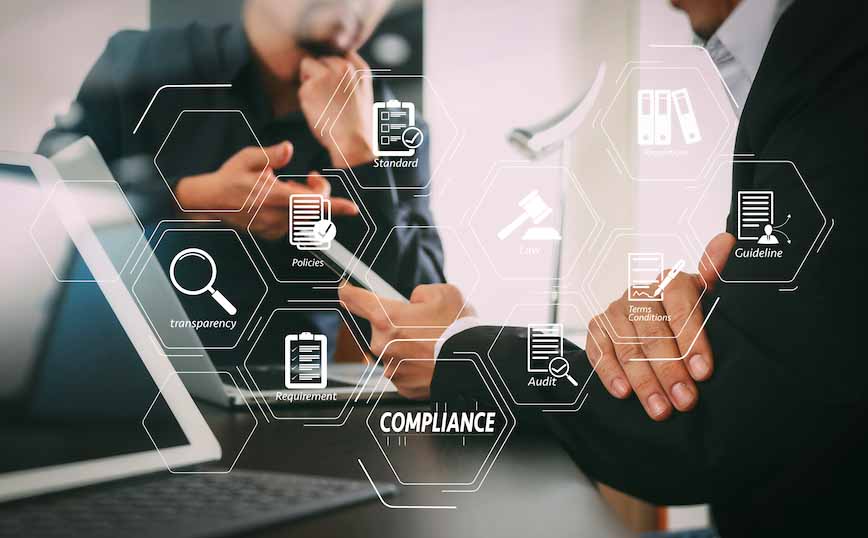
In short, cybersecurity compliance demands systems that incorporate continuous monitoring, documented controls, and ongoing risk management across systems and data. For regulated small and midsize businesses, maintaining that level of oversight can quickly overwhelm internal teams, especially as regulations require organizations to demonstrate consistent security practices, maintain documentation, and respond quickly to potential risks.
Why Cybersecurity Compliance Is So Challenging for Regulated SMBs
Meeting regulatory expectations can be difficult for organizations that lack large security teams or dedicated compliance staff.
Increasing Regulatory Demands on Smaller Organizations
Regulatory requirements now apply to many industries beyond large enterprises. Healthcare providers, financial organizations, and government contractors often must meet strict data protection and security requirements. For example, the HIPAA Security Rule requires organizations that handle protected health information to implement safeguards to protect sensitive data and maintain documented security controls. These rules illustrate how regulatory compliance extends far beyond basic security practices.
Manual, Siloed Approaches to Cybersecurity Compliance
Many organizations still manage compliance activities through spreadsheets, manual documentation, and disconnected tools. Policies may exist in one system while security logs and monitoring data are stored in another. Fragmentation makes it difficult to demonstrate consistent security controls or quickly gather evidence during audits.
Limited IT and Security Resources to Keep Up
Regulated SMBs often rely on small IT teams responsible for infrastructure, user support, and security operations. Managing regulatory requirements alongside daily operational work creates significant pressure. Without centralized monitoring and reporting, maintaining cybersecurity compliance can become reactive rather than proactive.
What Strong Cybersecurity Compliance Looks Like in Practice
Organizations that maintain consistent compliance typically build security programs around documented processes, monitoring tools, and risk management practices.
Documented Policies, Access Controls, and Governance
Compliance programs begin with documented policies that define how systems, users, and data are protected. Access controls, authentication policies, and governance procedures ensure only authorized individuals can access sensitive systems. These policies also provide auditors with evidence that security practices are consistently applied.
Continuous Monitoring, Logging, and Evidence Collection
Security monitoring is essential for detecting suspicious activity and demonstrating that systems are actively protected. Many organizations rely on centralized monitoring tools such as security information and event management (SIEM) platforms to collect logs, detect anomalies, and maintain a record of security events across networks and systems. Continuous monitoring not only improves visibility but also helps generate documentation that supports compliance reporting.
Ongoing Risk Assessments and Issue Remediation
Cybersecurity compliance does not end once controls are implemented. Organizations must regularly evaluate their systems to identify vulnerabilities and address security gaps. Risk assessments help organizations prioritize remediation efforts and maintain security controls aligned with evolving threats.
Tested Backup, Recovery, and Incident Response Plans
Regulatory frameworks often require organizations to maintain recovery and incident response procedures. Backup systems, recovery testing, and incident response planning help ensure businesses can quickly resume operations if systems are compromised. Cyber recovery strategies are also essential for maintaining operational resilience and protecting critical data after cyber incidents.
How Managed Services Support Cybersecurity Compliance Year-Round
Maintaining compliance requires continuous effort across multiple areas of security operations. Managed services help organizations maintain those controls consistently.
Turning One-Time Compliance Projects into Ongoing Support
Many businesses treat compliance as a periodic project completed before an audit. Managed services shift that approach toward continuous oversight. Security monitoring, patch management, and compliance documentation become ongoing processes rather than short-term tasks.
Standardizing Security Controls Across Endpoints, Network, and Cloud
Security controls must extend across endpoints, networks, and cloud environments. Managed services providers help standardize security configurations so that policies apply consistently across the entire environment. Network security controls, such as firewall security strategies, play an important role in protecting systems and maintaining consistent network-level protection.
Centralizing Logs, Reports, and Compliance Documentation
One of the biggest challenges during audits is gathering documentation and evidence of security practices. Managed services platforms centralize logs, monitoring alerts, and compliance reports so organizations can quickly demonstrate that required controls are functioning as expected. Centralized reporting also improves visibility across systems and simplifies compliance documentation.
Aligning with Frameworks Like HIPAA, PCI, and CJIS Without Extra Headcount
Compliance frameworks such as HIPAA, PCI DSS, and CJIS require organizations to maintain documented controls, monitor systems, and protect sensitive data. Managed service providers help SMBs meet these requirements by providing centralized monitoring, security controls, and compliance reporting. By providing the tools and expertise needed to manage logs, enforce policies, and monitor systems, managed services allow organizations to align with regulatory frameworks without adding additional internal staff. Data protection technologies such as data loss prevention (DLP) also help safeguard sensitive information and support ongoing compliance efforts.
Strengthen Cybersecurity Compliance with Cynergy’s Managed Services
Cybersecurity compliance requires continuous monitoring, documentation, and risk management across systems, users, and data. For regulated SMBs, maintaining those practices year-round can be difficult without dedicated resources.
Cynergy Tech helps businesses maintain cybersecurity compliance through managed security monitoring, reporting, and risk management support. By combining security expertise with proactive monitoring tools, organizations can remain audit-ready while strengthening their overall security posture.
Ready to improve your business’s compliance readiness? Schedule a free consultation with our team today and let Cynergy Tech help your organization stay prepared for audits year-round.
Resource:
https://www.hhs.gov/hipaa/for-professionals/security/laws-regulations/index.html