
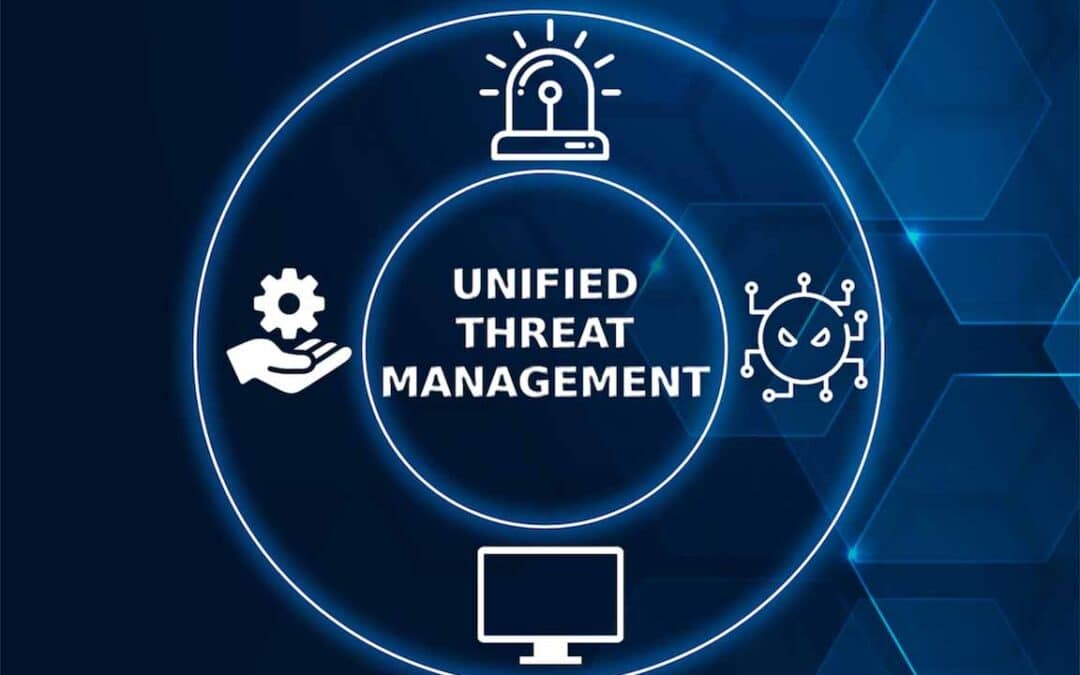
Cybersecurity threats continue to grow in sophistication and frequency, leaving organizations vulnerable to data breaches, ransomware attacks, and system compromises. Unified Threat Management (UTM) addresses these challenges by consolidating multiple security functions into a single, integrated platform. Rather than managing separate tools for firewall protection, antivirus scanning, intrusion detection, and content filtering, UTM brings these capabilities together. Organizations gain comprehensive network security without the complexity of juggling disparate systems. The all-in-one approach simplifies security management while providing robust protection against diverse threats. By streamlining security infrastructure, UTM empowers businesses to defend their digital environments more effectively and respond faster to potential vulnerabilities.
What are the Essential Features of a UTM?
A comprehensive UTM solution integrates multiple security layers that work together to protect network infrastructure. Each component plays a specific role in identifying, blocking, and mitigating threats before they can cause damage.
Antivirus Software
Antivirus protection forms the foundation of any UTM system by scanning files, emails, and downloads for known malicious code. Modern antivirus engines utilize a combination of signature-based detection and heuristic analysis to identify both established and emerging threats. The software continuously updates its threat database to recognize new virus variants as they appear in the wild. When malicious code is detected, the antivirus component quarantines or removes the threat immediately, preventing it from spreading across the network.
Anti-Malware Solutions
While antivirus software focuses on traditional viruses, anti-malware capabilities target a broader range of malicious software, including spyware, adware, trojans, and rootkits. The anti-malware engine monitors system behavior patterns to detect suspicious activity that might indicate a threat. Advanced malware often disguises itself or mutates to avoid detection, making behavioral analysis critical. Real-time scanning examines programs as they execute, catching threats that static scans might miss.
Firewalls
Firewalls serve as the first line of defense by controlling incoming and outgoing network traffic based on predetermined security rules. A single firewall configuration provides basic protection by filtering packets at the network perimeter. Dual firewall implementations add an extra security layer by creating a demilitarized zone (DMZ) between two firewall appliances. The outer firewall faces the internet and blocks obvious threats, while the inner firewall protects sensitive internal resources. Organizations with high security needs benefit from the dual firewall architecture, which ensures that even if one firewall is compromised, another barrier remains intact.
Intrusion Prevention Capabilities
Intrusion prevention systems (IPS) actively monitor network traffic for signs of malicious activity and take immediate action to stop attacks. Unlike intrusion detection systems that simply alert administrators, IPS automatically blocks threats in real-time. The system analyzes packet contents, protocol anomalies, and traffic patterns to identify exploit attempts, denial-of-service attacks, and unauthorized access attempts. Deep packet inspection allows the IPS to examine data at the application layer, catching sophisticated attacks that might bypass traditional firewalls.
Virtual Private Network (VPN)
VPN functionality enables secure remote access by encrypting communications between remote users and the corporate network. Employees working from home or traveling can connect safely to company resources without exposing data to interception. The VPN creates an encrypted tunnel through public networks, ensuring the confidentiality and integrity of transmitted information. Site-to-site VPN capabilities also allow secure connections between multiple office locations over the internet.
Web Filtering
Web filtering controls which websites users can access, blocking dangerous or inappropriate content before it reaches endpoints. The system categorizes websites by content type and applies policies based on organizational requirements. Filtering prevents employees from accessing known malicious sites that distribute malware or engage in phishing. Bandwidth management features within web filtering can also improve network performance by restricting access to non-business-related streaming or download sites.
Data Loss Prevention System
Data loss prevention (DLP) monitors and controls the movement of sensitive information to prevent unauthorized disclosure. The DLP engine identifies confidential data such as customer records, financial information, or intellectual property based on content inspection and contextual analysis. When someone attempts to transmit sensitive data through unauthorized channels, the DLP system can block the transfer, encrypt the data, or alert administrators. Policy enforcement helps organizations comply with regulatory requirements while protecting valuable information assets.
5 Benefits of Having a UTM Network
Implementing a UTM solution delivers tangible advantages that strengthen security posture while improving operational efficiency.
Unparalleled Adaptability
UTM platforms scale easily to accommodate business growth and evolving security needs. As organizations expand their digital footprint, the unified architecture adapts without requiring complete infrastructure overhauls. New security modules can be activated or updated centrally, allowing rapid response to emerging threat landscapes. The flexibility extends to deployment options, with physical appliances, virtual instances, and cloud-based UTM services available to match different operational environments.
Centralized Control
Managing security from a single console dramatically simplifies administration and reduces the chance of configuration errors. Security teams gain complete visibility across all protection layers through one interface, making it easier to monitor threats, adjust policies, and generate compliance reports. Centralized logging aggregates security events from all UTM components, providing comprehensive audit trails and facilitating incident investigation. Administrators spend less time switching between tools and more time analyzing security posture.
Lower Costs
Consolidating multiple security functions into one platform reduces hardware, licensing, and maintenance expenses compared to implementing separate point solutions. Organizations eliminate the need to purchase, deploy, and manage individual appliances for each security function. Training costs decrease as IT staff learn one system instead of multiple specialized tools. Ongoing operational expenses drop through simplified vendor management and reduced power and cooling requirements for fewer physical devices.
Heightened Threat Detection
Integrated security components share threat intelligence automatically, creating synergies that improve overall detection capabilities. When one UTM module identifies suspicious activity, other components adjust their monitoring accordingly to catch related threats. Correlation engines analyze events across different security layers to identify complex, multi-stage attacks that individual tools might miss. Coordinated response mechanisms enable faster containment when threats are detected, minimizing potential damage.
Streamline Resources
UTM solutions free up valuable IT resources by automating routine security tasks and reducing management overhead. Security teams focus on strategic initiatives rather than maintaining multiple disparate systems. Automated updates ensure all security components stay current without manual intervention for each tool. Simplified troubleshooting speeds up problem resolution, as administrators work within a unified architecture rather than tracking issues across multiple vendor solutions.
Develop a UTM Solution with Cynergy Tech
Your network security deserves more than a patchwork of disconnected tools. With over forty-two years of experience, Cynergy Technology specializes in designing and implementing comprehensive network security solutions tailored to your organization’s unique requirements. Our team works closely with you to assess your current security posture, identify vulnerabilities, and deploy UTM systems that provide robust protection without compromising network performance. We handle everything from initial planning and configuration to ongoing monitoring and management, ensuring your defenses remain effective against evolving threats. Our proactive approach includes regular security assessments, policy optimization, and 24/7 support to keep your digital assets secure.
Whether you’re implementing UTM for the first time or upgrading existing infrastructure, we provide the expertise and support needed to safeguard your business. Schedule your free consultation and discover how our network security services can strengthen your cybersecurity posture!
Related posts:
 The Role of Network Firewalls: How They Safeguard Your Data and Systems
 Disaster Recovery Plans: How To Plan For Disaster Recovery
 7 Key Advantages of Using Email Encryption for Your Business
 Understanding the Goal of a Business Continuity Plan
 Small Business Phone Systems: VoIP vs Traditional Lines