Sep 21, 2026 | Business Continuity, Information
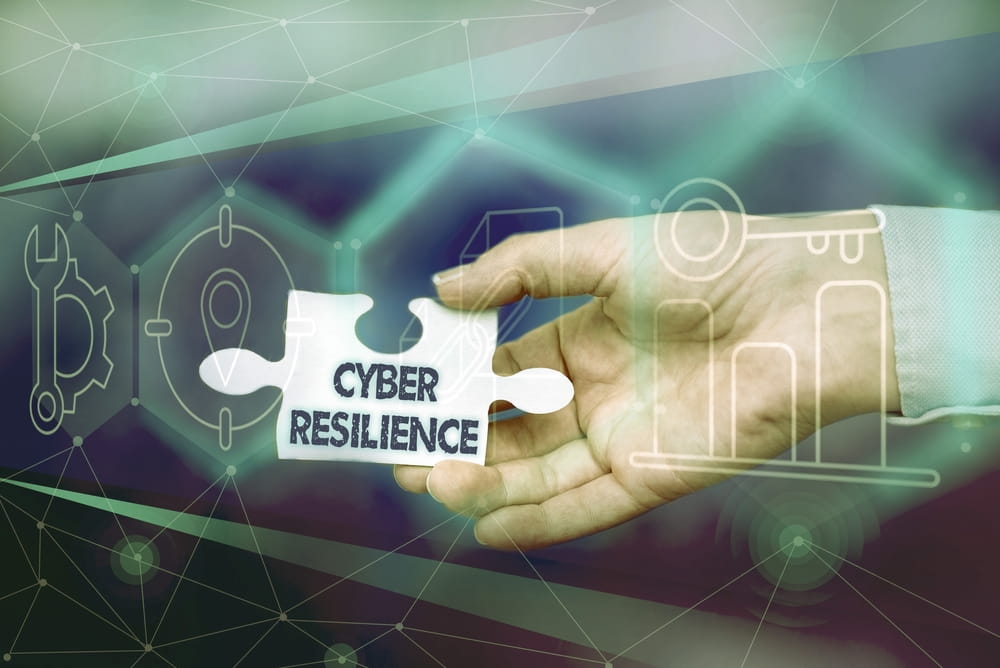
Cyber resilience is a business’s ability to keep operating before, during, and after a cyberattack, and to recover quickly and adapt so that the next incident causes less damage. Prevention tries to keep attackers out. Resilience assumes some attacks will get through and prepares the business to absorb the hit. More companies now prioritize resilience because a breach has become a question of when, not if. A strong firewall still matters. On its own, though, it can’t guarantee your operations stay online when an attacker slips past it. That gap is what resilience closes, and it shapes how managed IT services are designed.
What is Cyber Resilience?
Cyber resilience is the ability to anticipate, withstand, recover from, and adapt to cyberattacks while keeping essential operations running. The National Institute of Standards and Technology (NIST) frames it around four goals. A resilient organization anticipates threats before they materialize, withstands an active attack without losing critical functions, recovers its systems quickly, and adapts its defenses based on what each incident teaches.
Cybersecurity and cyber resilience are related but not identical. Cybersecurity focuses on stopping threats. Resilience takes a wider view. It accepts that no defense is perfect and builds the capacity to bounce back when something gets through. Think of cybersecurity as the lock on the door, and resilience as the full plan for what happens if someone still gets inside.
Why Prevention Alone is No Longer Enough
Prevention alone is no longer enough because attackers only need to succeed once, while defenders have to be right every time. Phishing, ransomware, and stolen credentials give criminals many ways in. Most breaches trace back to a single click by an employee, not a failure of expensive hardware.
Prevention-first security also creates a false sense of safety. A business can pass every audit and still go dark for days after one successful attack. A layered approach works better. Defense in depth (DiD) stacks multiple controls so that when one fails, others contain the damage. Resilience adds the next step, making sure the business can still function and recover while the security team responds.
The Relationship Between Resilience and Disaster Recovery
Disaster recovery is one of the core building blocks of cyber resilience. Resilience is the broad goal of staying operational through disruption. Disaster recovery is the practical plan that restores your data and systems after an incident. You can’t call your business resilient without a recovery plan you have actually tested.
A good plan covers more than backups. It defines how fast you need systems back online, which systems come first, and who does what during a crisis. Strong backup and disaster recovery solutions protect critical data across on-premise and cloud-based environments, then restore it fast when an incident hits. Ransomware raises the stakes further, since attackers now go after backups directly.
How Recovery Planning Reduces Business Disruption
Recovery planning reduces business disruption by shrinking the time between an incident and a return to normal operations. Downtime costs money, damages customer trust, and can stall an organization for weeks. A tested plan turns a potential shutdown into a manageable interruption.
Speed comes from preparation. When roles, priorities, and restoration steps are decided in advance, your team spends the first hour recovering instead of debating what to do. Cloud-based options add flexibility here. Cloud disaster recovery lets businesses fail over to off-site systems and keep working while primary systems are repaired. Regular testing matters too, because a plan that has never been run tends to break at the worst moment.
Building a Cyber Resilience Strategy
Building a cyber resilience strategy starts with knowing what you need to protect and what a disruption would cost you. From there, you layer defenses, plan for recovery, and keep improving as threats change.
A practical strategy pulls several pieces together. It combines strong preventive controls, continuous monitoring, clear incident response, tested backups, and trained employees. Proactive threat monitoring helps catch problems early, before a small intrusion turns into a full breach. Employee training closes the most common entry point, since people remain the top target for attackers. The goal is not a perfect wall. The goal is a business that can take a hit and keep moving.
Explore Managed Security Services from Cynergy Technology
Lasting resilience is not a one-time project. It takes ongoing monitoring, maintenance, and support. Cynergy Tech helps businesses design security that blocks threats and keeps operations running when trouble hits. Our team manages layered protection across your network, from monitoring and patching to intrusion detection, policy development, and incident response. We tailor our managed security services to your risk profile, your compliance needs, and the systems your business depends on every day.
With more than 42 years of experience, we know that real protection takes more than tools. It comes down to preparation, fast response, and recovery you can count on. Schedule a free consultation with our team, and let us help you build a security posture that holds up under pressure.
Resource:

Jul 13, 2026 | Business Continuity, Information
Businesses are auditing VoIP calls to improve customer interactions, strengthen compliance efforts, reduce fraud risks, and gain greater visibility into communication performance. Modern business phone systems generate valuable call data that helps organizations identify trends, monitor service quality, and detect potential security concerns before they impact operations.
How VoIP Calls Changed Business Communication
Voice over Internet Protocol (VoIP) technology transformed business communications by enabling voice calls to travel over internet connections rather than traditional telephone networks. The shift reduced costs, increased flexibility, and enabled companies to integrate communications with other business applications.
Today’s VoIP platforms offer significantly more functionality than traditional phone systems. Features such as call recording, analytics, automated routing, mobile accessibility, and customer interaction tracking provide valuable operational insights.
The continued growth of cloud-based communications is driving teams to adopt more advanced VoIP solutions that support collaboration, scalability, and business intelligence. Features such as intelligent call routing, automated attendants, and integration with customer relationship management (CRM) platforms support more efficient, data-driven communication. By connecting customers with the right resources faster, organizations can reduce wait times and improve the overall customer experience.
Common Security Risks Associated with VoIP Systems
While VoIP offers numerous advantages, it also introduces security risks that businesses must manage carefully. Because VoIP relies on internet connectivity, communication systems can become targets for cyberattacks, fraud, and unauthorized access.
Common VoIP security risks include eavesdropping, denial-of-service attacks, account compromise, and toll fraud. Attackers who gain access to VoIP systems can intercept communications, disrupt services, or generate unauthorized charges through fraudulent call activity.
Weak passwords, misconfigured systems, and inadequate network protections can further increase exposure to these threats. Businesses that fail to monitor communications may struggle to detect suspicious activity until significant damage has already occurred.
Regular auditing, monitoring, and access controls help to identify unusual call patterns, investigate anomalies, and strengthen overall communication security.
Why Businesses Monitor and Analyze VoIP Call Data
Modern VoIP systems generate large amounts of data that organizations can use to improve performance and decision-making. Beyond recording conversations, businesses analyze call duration, response times, call volumes, abandonment rates, and customer interactions to identify opportunities for improvement.
Auditing VoIP calls has become a routine part of quality assurance, security monitoring, and compliance management. Routine reviews help businesses identify service issues, detect unusual activity, and ensure communication standards are consistently maintained.
Call analytics help managers evaluate team performance, identify training needs, and understand how customers interact with the staff. Monitoring trends can reveal recurring issues, process inefficiencies, or service bottlenecks that may otherwise go unnoticed.
VoIP data also supports fraud detection efforts. Unusual calling patterns, unexpected call volumes, or activity outside normal business hours may indicate potential security concerns warranting investigation.
How VoIP Call Centers Improve Customer Experience
Customer expectations place greater pressure on businesses to deliver fast, responsive, and consistent service. VoIP systems help businesses meet these expectations by improving how customer interactions are managed and routed.
Features such as intelligent call routing, automated attendants, voicemail-to-email, and CRM integrations help connect customers with the right resources more quickly while reducing wait times and unnecessary call transfers. Businesses that prioritize VoIP customer service can use these capabilities to create faster, more personalized customer experiences while improving service consistency.
VoIP call data also provides valuable insight into customer interactions. Conversations can be analyzed to identify service gaps and opportunities for improvement. Instead of relying solely on customer feedback, businesses can use communication data to make informed decisions that strengthen customer satisfaction and support continuous service improvement.
How Compliance Requirements Affect Business VoIP Strategies
VoIP monitoring can extend beyond performance management and customer service. Compliance obligations often require businesses to maintain records of communications, preserve audit trails, and demonstrate adherence to regulatory requirements.
Industries such as finance, healthcare, legal services, and government contracting frequently operate under strict recordkeeping requirements. Call recording and retention capabilities can maintain documentation needed for audits, investigations, and compliance reviews.
The FDIC has long emphasized the importance of maintaining appropriate controls around electronic communications and information systems. Advanced VoIP platforms provide companies with tools to support oversight, accountability, and record retention efforts.
Compliance considerations also influence technology selection. When comparing VoIP vs. landline systems, organizations evaluate not only communication capabilities but also security controls, reporting features, retention policies, and auditing functionality.
Improve Business Communications with Cynergy Tech VoIP Services
Cynergy Tech helps implement secure, scalable communication solutions that support both business performance and operational oversight. If you’re evaluating new phone systems, improving call analytics capabilities, or enhancing communication security, Cynergy Tech can help.
Contact our team of experts today to learn how modern VoIP solutions can support your business goals.
Resources:
May 18, 2026 | Business Continuity, Information, News, Security
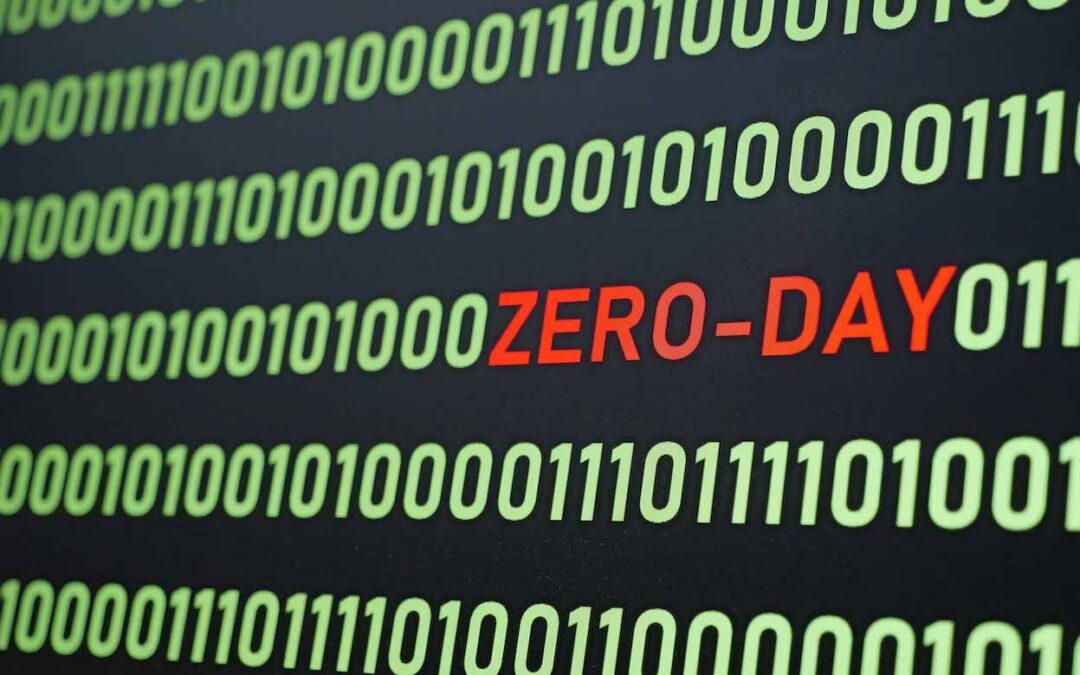
In short, a zero-day threat is a vulnerability that attackers exploit before a fix is available, making it difficult to detect and prevent with traditional tools. As threats become more advanced, relying on reactive tools alone leaves gaps. Businesses reduce this risk by using layered security, continuous monitoring, and managed IT services to ensure that patching, detection, and response capabilities work together.
What Is a Zero-Day Threat?
A zero-day threat refers to a software vulnerability that is discovered and exploited before developers have released a patch or fix. Because the vulnerability is unknown to vendors, there is no immediate defense available.
Attackers exploit these gaps before security teams have time to respond, increasing the likelihood of successful breaches. During this lifecycle stage, the vulnerability is actively exploited before a patch is available or widely deployed, leaving organizations with limited visibility and few immediate defenses.
A zero-day exploit can target operating systems, applications, or network devices. Real-world attacks highlight how quickly these threats can escalate. In one case, attackers exploited a vulnerability in Cisco firewalls as part of ransomware campaigns, gaining access to network infrastructure before organizations had time to apply patches.
Why Growing Businesses Are Vulnerable to Zero-Day Threats
As organizations expand, their environments become more complex, and complexity creates more opportunities for vulnerabilities to go unnoticed.
Expanding Attack Surface as You Grow
Growth often introduces new systems, cloud platforms, devices, and users. Each addition increases the number of potential entry points for attackers. Without consistent visibility across systems, it becomes harder to identify vulnerabilities or suspicious activity. Larger environments require more structured monitoring to maintain control over security risks.
Adding remote employees, cloud applications, or third-party integrations increases the number of systems that must be secured. Each new connection introduces potential vulnerabilities, especially if configurations are inconsistent or not regularly reviewed. Without centralized visibility, these gaps can remain undetected, creating opportunities for attackers to gain access.
Common Ways Zero-Day Exploits Reach Your Business
Zero-day exploits often reach organizations through common entry points such as phishing emails, compromised websites, or unpatched software.
Recent coverage of a large-scale zero-day attack affecting Chrome users reported that the vulnerabilities could affect over 3.5 billion users worldwide, underscoring how quickly widely used platforms can become targets. Attackers may also use techniques that do not rely on traditional malware, making detection more difficult without advanced monitoring.
The Resource Gap for SMB and Mid-Market Teams
Many growing businesses rely on small internal IT teams that are already managing infrastructure, support requests, and daily operations. Responding to emerging threats requires continuous monitoring, specialized tools, and dedicated expertise. Without these resources, zero-day threats may go undetected until damage has already occurred. SANS explains how these attacks exploit unknown vulnerabilities, leaving organizations with little time to respond, and highlights proactive mitigation tips, such as stronger monitoring and faster response processes to reduce their impact.
How Managed Services Reduce Zero-Day Risk
Managed IT services provide the structure and expertise needed to reduce exposure to unknown threats by supporting continuous monitoring, proactive patch management, and faster response to suspicious activity, even when vulnerabilities are not yet widely known.
Layered Security to Contain the Blast Radius
No single control can prevent every attack. Layered security combines multiple defenses across endpoints, networks, and user access. If a zero-day exploit bypasses one control, additional layers help limit its spread. This approach reduces the potential impact of an attack within the environment.
Proactive Patch and Vulnerability Management
While zero-day vulnerabilities cannot be patched immediately, strong patch management practices reduce exposure to known risks and prevent attackers from chaining multiple vulnerabilities together. Consistent patching ensures systems remain up to date as fixes become available.
Monitoring, Detection, and Incident Response
Continuous monitoring plays a critical role in identifying unusual behavior that may indicate a zero-day attack. Detection tools analyze patterns across systems, while response processes help contain threats quickly. When suspicious activity is identified, security teams can isolate affected systems, investigate the issue, and limit further impact.
Continuous monitoring shifts security from reactive cleanup to active threat detection and response. For instance, unusual login attempts from unfamiliar locations or unexpected data transfers may indicate a potential compromise. Monitoring systems flag these behaviors, allowing security teams to investigate before the issue spreads. Rapid response actions, such as isolating affected devices or disabling accounts, help contain threats and reduce overall impact.
Business Continuity and Recovery Readiness
Even with strong defenses, organizations must be prepared to recover from incidents. Backup systems, recovery plans, and incident response procedures help ensure operations can continue after an attack. Testing these processes regularly reduces downtime and improves response effectiveness.
A structured recovery plan helps organizations maintain business continuity even in the face of unexpected threats. Organizations should verify that backups are not only created but also tested regularly to ensure data can be restored quickly. Recovery plans should define clear roles and steps so teams can act without delay during an incident. Strategic preparations reduce downtime and help maintain operations under pressure.
Get Zero-Day Ready with Cynergy’s Managed IT Services
Zero-day threats highlight the limits of traditional security tools and reactive IT models. As businesses grow, reducing exposure to unknown vulnerabilities requires a more structured approach to monitoring, patching, and response.
Cynergy Technology helps organizations strengthen their cybersecurity posture through managed IT services that support detection, vulnerability management, and incident response. If your business is facing increasing risk or limited visibility into emerging threats, contact our team today to schedule a free consultation and learn how managed IT services can help you stay prepared.
Resources:
https://www.ibm.com/think/topics/zero-day
https://www.securityweek.com/cisco-firewall-vulnerability-exploited-as-zero-day-in-interlock-ransomware-attacks
https://www.forbes.com/sites/daveywinder/2026/03/15/google-zero-day-alert-for-35-billion-chrome-users-attacks-underway
https://www.sans.org/security-resources/glossary-of-terms/zero-day-exploit

May 11, 2026 | Business Continuity, Information, News, Security
In short, managed detection and response (MDR) provides businesses with continuous monitoring, threat detection, and response capabilities that traditional antivirus alone cannot. As threats become more sophisticated, relying on basic tools leaves gaps that attackers can exploit.
Many growing businesses still depend on antivirus software as their primary defense. While antivirus software plays an important role, it was designed for a different threat landscape. Organizations looking to strengthen their security can start by reviewing how detection, monitoring, and response are currently managed across their environment.
What Is Managed Detection and Response (MDR)?
Managed detection and response is a security service that helps organizations detect, investigate, and respond to threats across their environment through continuous monitoring and expert analysis. It combines advanced detection tools, endpoint detection and response (EDR), threat intelligence, and security analysts who review alerts in real time.
When suspicious activity is detected, such as unusual login behavior or unauthorized file access, analysts investigate the event, determine whether it is a real threat, and take action to contain it. That may include isolating a device, disabling compromised accounts, or blocking malicious traffic before it spreads across the network.
MDR solutions analyze activity across endpoints, networks, and systems to identify suspicious behavior. When a threat is detected, security teams investigate and take action to contain or remove it. This approach provides visibility into threats that traditional tools may miss.
Why Traditional Antivirus Is No Longer Enough
Antivirus software was built to detect known threats using signatures and predefined rules. The strategy works for identifying previously documented malware, but it falls short when faced with newer attack techniques. Modern threats often rely on stolen credentials, social engineering, or fileless attacks that do not match known signatures. Attackers may quietly move through systems, avoiding detection while gaining access to sensitive data.
EDR tools improve visibility by monitoring device behavior, but they still require active management and interpretation. Without continuous monitoring and response, alerts can go unnoticed or unresolved.
Security challenges have also shifted toward identity-based attacks. Authentication methods are evolving beyond traditional controls as attackers continue finding ways to bypass basic protections. For example, an employee may unknowingly enter credentials into a phishing site. Antivirus software will not detect this type of activity because no malicious file is present. An attacker can then use those credentials to access systems, move laterally, and extract data without triggering traditional alerts. Without continuous monitoring and investigation, this type of activity can go unnoticed for extended periods.
Business Benefits of Moving Beyond Antivirus Alone
Organizations that expand beyond antivirus gain stronger visibility and faster response capabilities across their environment.
Stronger Protection Against Modern Attacks
MDR solutions focus on identifying suspicious behavior rather than relying only on known threat signatures. They improve the ability to detect advanced attacks, including those that use legitimate tools or compromised credentials.
By monitoring activity across systems, MDR helps identify threats earlier and reduces the time attackers can remain undetected. This is especially important for attacks that blend into normal activity. For instance, attackers may use legitimate administrative tools already present in the environment. MDR solutions help identify these behaviors by analyzing patterns across systems rather than relying on known malware signatures.
24/7 Coverage Without Building a Security Team
Maintaining continuous monitoring requires dedicated resources and expertise. Many internal IT teams cannot provide around-the-clock coverage while managing other responsibilities. MDR services provide 24/7 monitoring and response without requiring organizations to build a full security operations center. Security professionals monitor alerts, investigate activity, and respond to incidents as they occur.
Alerts often occur outside of normal business hours, when internal teams are not actively monitoring systems. MDR services ensure that suspicious activity is reviewed and addressed immediately, reducing response times and limiting potential damage.
Better Prepared for Cyber Insurance and Customer Expectations
Cyber insurance providers and customers increasingly expect businesses to demonstrate strong security practices. Continuous monitoring, incident response capabilities, and documented controls help meet these expectations. Organizations that implement detection and response capabilities are better positioned to demonstrate their ability to quickly identify and respond to threats. High levels of visibility support both compliance requirements and business relationships.
Strengthen Detection and Response with Cynergy’s Managed IT Services
Managed detection and response helps businesses move beyond basic protection and build a more complete cybersecurity strategy. Continuous monitoring, faster threat response, and improved visibility reduce risk across systems and data.
As businesses evolve, their technology environments become more complex, increasing the number of potential entry points for attackers. A structured approach to detection and response helps ensure threats are identified early and handled consistently, rather than relying on reactive measures after an incident.
Cynergy Technology helps organizations strengthen their cybersecurity posture through managed IT services that support monitoring, detection, and response. If your organization is facing increasing security risks or gaps in visibility, our team can help assess your current approach and identify practical next steps. Don’t wait until a missed alert turns into a larger incident. Schedule a free consultation today!
Resources:
https://www.microsoft.com/en-us/security/business/security-101/what-is-mdr-managed-detection-response
https://www.techradar.com/pro/authentication-in-2026-moving-beyond-foundational-mfa-to-tackle-the-new-era-of-attacks
Apr 30, 2026 | Business Continuity, Information, News, Security
In short, cybersecurity compliance establishes minimum security requirements, while cybersecurity risk management focuses on identifying and mitigating real threats to the business. Small and midsize organizations need both. Many businesses focus on compliance because regulations and contracts require it, but effective security programs combine those requirements with ongoing risk analysis and monitoring. Organizations looking to strengthen their defenses can evaluate their cybersecurity services to ensure both compliance and risk management are addressed together.
Cybersecurity Compliance and Risk Management: What’s the Difference?
Compliance and risk management share the same goal: protecting information and systems, but they approach that goal differently. Cybersecurity compliance means meeting the security requirements set by laws, industry regulations, and contractual obligations. These standards require organizations to implement specific controls, document policies, and maintain consistent security practices.
Cybersecurity Risk Management, Defined
Cybersecurity risk management focuses on identifying threats, assessing their impact, and prioritizing defenses based on likelihood and business impact. Security resources are then directed toward the systems and data that matter most.
Checklist-Driven vs Context-Driven Security: How the Two Approaches Think Differently
Compliance programs often rely on checklists. Audits verify that required policies, tools, and documentation are in place. Risk management takes a different approach, focusing on how systems operate, where vulnerabilities exist, and how attackers might exploit them.
Compliance ensures fundamental standards are met, while risk management directs security investments toward the threats most likely to impact the business.
Where Cybersecurity Compliance Helps SMBs
Compliance plays an important role in creating structure and accountability for security programs.
Many industries require organizations to meet specific cybersecurity standards before they can handle sensitive information or maintain vendor relationships. Meeting these requirements, including IT regulatory compliance, reduces legal exposure and helps businesses avoid penalties or contractual violations.
Establishing a Baseline of Security Controls and Documentation
Compliance frameworks establish core security practices such as access controls, vulnerability management, and incident response procedures. These baseline controls help secure systems and reduce risk, aligning with The Federal Trade Commission (FTC) guidance on fundamental cybersecurity practices for businesses.
Building Trust with Customers, Partners, and Regulators Through Demonstrable Compliance
Customers and partners often want proof that their data will be handled responsibly. Organizations that can demonstrate documented security controls and regulatory alignment are better positioned to build trust with stakeholders and maintain long-term partnerships.
Why Compliance Alone Is Not Enough to Keep You Secure
Although compliance provides structure, it does not automatically protect organizations from evolving cyber threats.
The “Check-the-Box” Trap and False Sense of Security
Compliance requirements often focus on verifying that specific controls are in place. Security programs built only around audits may concentrate on passing inspections rather than reducing risk. When security becomes checklist-driven, organizations may overlook emerging threats or operational weaknesses.
Gaps Between Compliance Requirements and Real-World Threats Facing SMBs
Regulatory standards tend to evolve slowly compared to the speed of cyber threats. Attack techniques such as phishing and spoofing remain among the most common ways attackers gain access to business systems.
How Attackers Exploit Compliant but Poorly Secured Environments
Attackers rarely care whether an organization has passed an audit. They target weaknesses in systems, employees, and processes. Organizations that rely only on compliance frameworks often leave gaps in monitoring, threat detection, and incident response capabilities.
What Effective Cybersecurity Risk Management Looks Like
Risk management focuses on identifying what matters most to the business and protecting those assets accordingly.
Using Frameworks Like NIST CSF to Identify and Prioritize Risks
Security frameworks such as the NIST Cybersecurity Framework help organizations identify vulnerabilities, assess threats, and prioritize security controls based on risk. This approach moves security beyond compliance checklists toward a more structured understanding of cybersecurity risk.
Aligning Security Investments with Business Impact and Critical Assets
Not every system carries the same level of risk. Risk management evaluates which systems store sensitive data, support critical operations, or enable key business processes. Security investments are then aligned with the potential impact of disruptions or breaches. This approach helps organizations allocate resources where they will produce the greatest security benefit.
Making Risk Management an Ongoing Practice, Not a One-Time Assessment
Cybersecurity threats continue to change as technologies, business operations, and attacker tactics evolve. Effective risk management requires continuous monitoring, vulnerability assessments, and regular updates to security controls. Security programs that evolve alongside the threat landscape remain more resilient over time.
How SMBs Can Combine Compliance and Risk Management in One Practical Plan
Organizations do not need to choose between compliance and risk management. The most effective programs integrate both.
Step 1 – Map Your Compliance Requirements to Actual Risks and Business Processes
Start by identifying which regulations, standards, or contractual obligations apply to the organization. Then evaluate how those requirements intersect with real operational risks. Mapping compliance requirements to business processes helps identify where controls are already effective and where gaps may exist.
Step 2 – Layer Risk-Based Controls on Top of Your Compliance Baseline
Compliance frameworks establish a starting point. Risk management builds on that foundation by addressing additional vulnerabilities and operational risks. This layered approach strengthens defenses while maintaining alignment with regulatory obligations.
Step 3 – Monitor, Measure, and Adjust as Your Threat Landscape Changes
Security programs must adapt as threats evolve. Regular monitoring, security assessments, and policy updates help ensure both compliance requirements and risk management strategies remain effective over time.
Strengthen Compliance and Risk Management with Cynergy’s Managed Services
Cybersecurity compliance and cybersecurity risk management address different aspects of security. Compliance establishes minimum requirements, while risk management identifies and reduces the threats most likely to impact the business. Organizations that combine both approaches build stronger and more resilient security programs.
Cynergy Technology helps businesses align regulatory requirements with proactive security practices through managed cybersecurity services, monitoring, and risk management guidance. Schedule a free consultation to learn how Cynergy Tech’s cybersecurity services can strengthen your defenses.
Resources:
https://www.ftc.gov/business-guidance/small-businesses/cybersecurity
https://www.fbi.gov/how-we-can-help-you/scams-and-safety/common-frauds-and-scams/spoofing-and-phishing
https://www.nist.gov/cyberframework